
CELEBRATING MORE THAN 35 YEARS IN BUSINESS!
U.S.-Based Steel Fabrication Services Built for Reliability
At Sawing and Shearing, we provide domestic steel fabrication services for manufacturers, contractors, OEMs, and industrial buyers who value dependable timelines, consistent workmanship, and clear communication.
Steel fabrication is often a critical path item. When parts arrive late or out of specification, entire projects can stall. Working with a U.S.-based fabricator helps reduce many of the risks associated with overseas sourcing or fragmented production models.
As a centrally located U.S.-based fabricator, we also help streamline shipping and logistics across all of North America. Central positioning supports balanced transit times, efficient production scheduling, and greater flexibility as project requirements evolve.
What Is U.S.-Based Steel Fabrication?
U.S.-based steel fabrication refers to the cutting, processing, machining, forming, and assembly of steel components within the United States. Unlike extended international supply chains, domestic fabrication keeps production oversight, quality control, and workflow coordination closer to the end user.
Services may include plate processing, precision CNC cutting, structural fabrication, drilling, forming, welding, machining, and final inspection performed under U.S. manufacturing standards. Keeping fabrication operations domestic allows organizations to maintain greater transparency, material traceability, and production accountability.
Overview
U.S.-based Steel Fabrication at a Glance
On this page, you’ll find:
Why domestic fabrication improves predictability and oversight
Common sourcing challenges and how centralized production reduces risk
How in-house fabrication strengthens quality control
The role of process discipline in reliable outcomes
What to expect from a practical, partnership-focused fabrication team
Why U.S.-Based Steel Fabrication Matters
Domestic steel fabrication provides stronger oversight, clearer accountability, and more predictable timelines. Keeping fabrication within the United States allows organizations to maintain closer alignment between material sourcing, cutting operations, machining processes, and final assembly.
Production proximity simplifies communication and supports faster issue resolution when specifications change. It also reinforces alignment with U.S. manufacturing standards and inspection expectations.
When fabrication stays closer to your project site or production facility, logistics become more manageable and uncertainty decreases.
Common Challenges in Steel Fabrication
Buyers sourcing fabrication through overseas suppliers or multiple subcontractors often encounter similar operational challenges.
Extended supply chains can introduce shipping delays, customs variability, and limited production visibility. Multi-vendor workflows may lead to coordination gaps between cutting, machining, welding, and finishing stages. When project requirements shift midstream, communication delays can amplify risk.
A centralized, U.S.-based fabrication partner reduces these complications by coordinating production disciplines within a unified workflow and maintaining direct communication throughout the project lifecycle.
Built for Real-World Industrial Applications
Steel components are rarely standalone parts. They are integrated into structural systems, OEM equipment, infrastructure projects, energy installations, heavy machinery, and industrial production environments. Fabrication must account not only for dimensional accuracy but for performance under load, environmental exposure, and long-term operational demands.
Domestic fabrication supports services such as precision cutting, plate processing, CNC machining, drilling, forming, welding, and assembly. Maintaining these capabilities in-house allows for tighter control over tolerances, sequencing, and material handling.
By coordinating fabrication processes within a centralized operation, consistency is maintained from raw material intake through inspection and delivery.
Materials, Production Scope, and Inspection Discipline
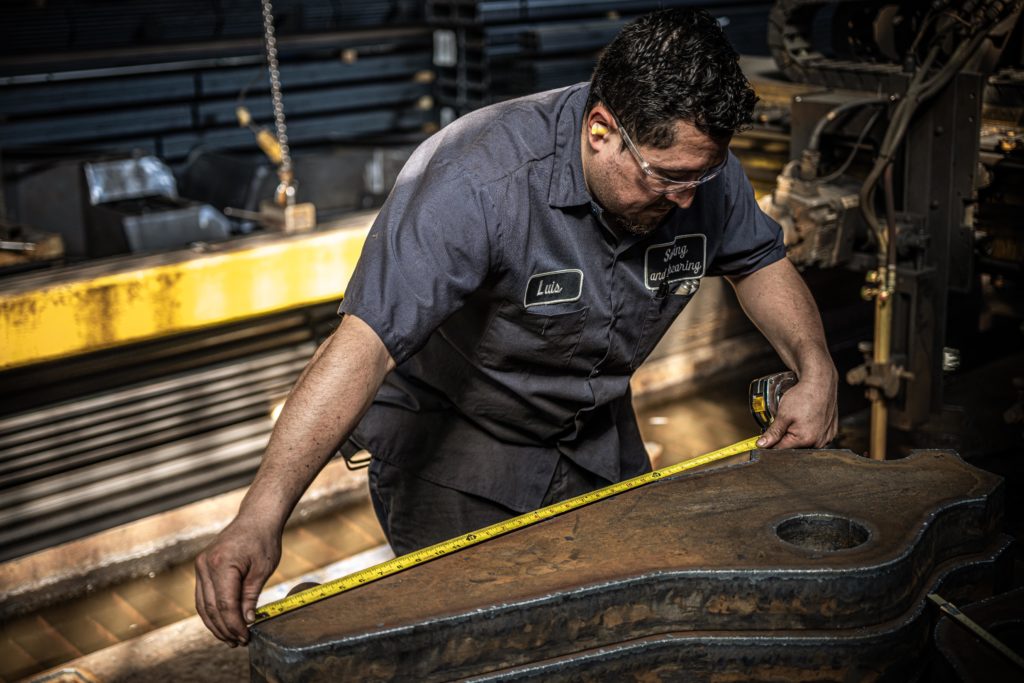
Domestic steel fabrication often involves working with a range of materials including carbon steel, structural plate, and alloy grades depending on project requirements. Production environments must accommodate both custom components and repeat manufacturing runs, balancing flexibility with process consistency.
Managing tolerances, sequencing fabrication steps, and coordinating machining or welding operations requires disciplined workflow oversight. Inspection protocols are integrated throughout production to confirm dimensional accuracy, material integrity, and readiness for downstream use.
Maintaining material traceability and production visibility helps ensure fabricated components meet both design intent and real-world performance expectations.
In-House Capabilities, Fewer Hand-Offs
When fabrication is distributed across multiple subcontractors or offshore facilities, accountability becomes fragmented and production timelines become harder to manage.
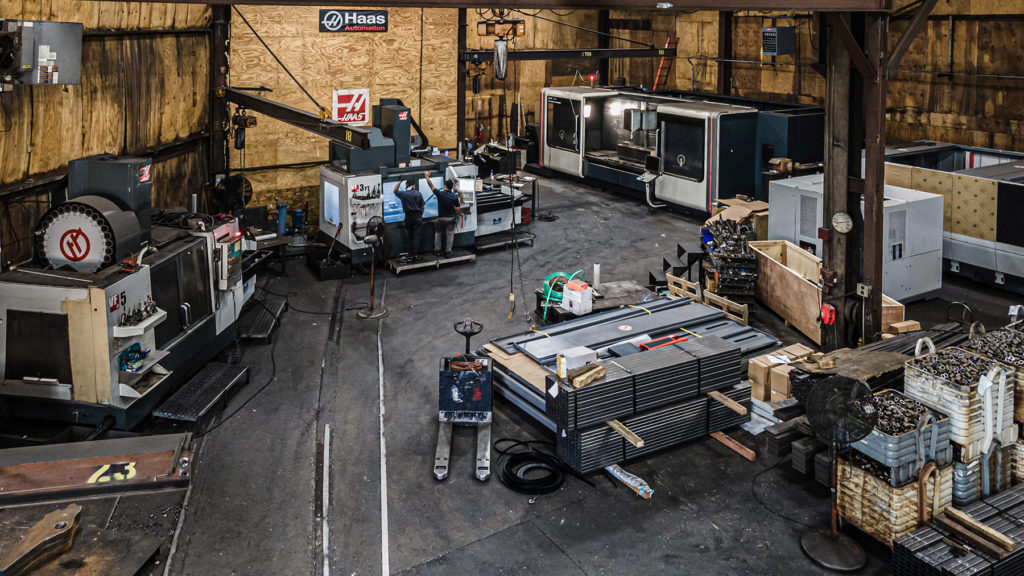
In-house fabrication centralizes cutting, machining, forming, structural fabrication, and assembly processes within a coordinated production environment. This integrated approach reduces cross-vendor delays, improves communication between fabrication stages, and supports greater consistency across production runs.
Centralized fabrication helps ensure that adjustments to specifications, tolerances, or material requirements are implemented efficiently without disrupting overall project flow.
A Clear and Repeatable Fabrication Process
Reliable steel fabrication depends on structured workflow and disciplined process management.
Our approach emphasizes:
- Detailed review of drawings, tolerances, and material specifications
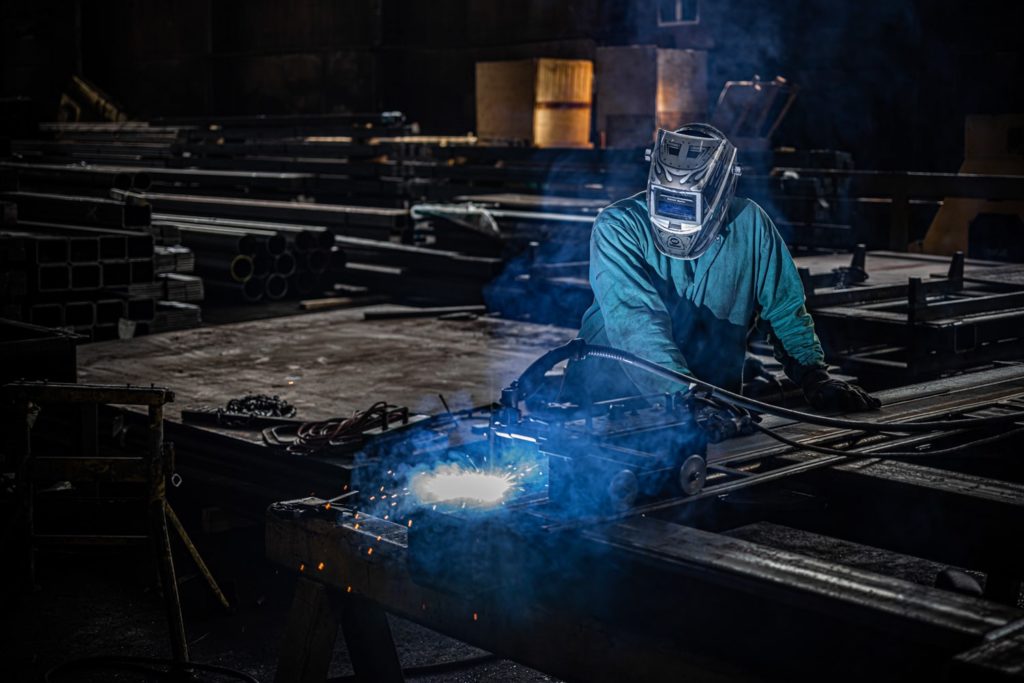
- Coordinated in-house fabrication across cutting, machining, and assembly disciplines
- Inspection and verification prior to shipment
Maintaining visibility throughout production supports consistent outcomes and helps customers stay informed at every stage.
Supporting Projects Across the United States
Customers choose U.S.-based steel fabrication to maintain consistent standards across multiple projects and geographic locations.
In recent years, many manufacturers and contractors have reevaluated their reliance on imported steel as trade policies and cost structures continue to evolve. Domestic fabrication has become an increasingly important option for organizations seeking greater supply chain stability and long-term planning confidence.
Organizations supporting OEM manufacturing, infrastructure development, energy projects, heavy equipment production, and structural construction often prioritize domestic fabrication to maintain quality assurance, traceability, and logistical consistency.
Experience That Informs Better Outcomes
Steel fabrication requires more than equipment. It requires technical judgment, production awareness, and experience coordinating multiple fabrication disciplines within a controlled environment.
With decades of experience supporting industrial and commercial projects, our team focuses on producing steel components that meet practical demands — not just drawings on paper.
A Practical, Partnership-Focused Approach
Not every project requires the same solution. A reliable fabrication partner balances precision, efficiency, and real-world constraints.
Our approach emphasizes:
- Honest communication
- Clear expectations
- Coordinated fabrication processes
- Long-term working relationships built on consistency
Frequently Asked Questions About U.S.-Based Steel Fabrication
Upfront pricing structures may differ from overseas sourcing, but many organizations find that improved reliability, reduced coordination delays, and stronger quality oversight create greater long-term value.
Keeping production within the United States often reduces shipping variability and simplifies coordination between fabrication teams and project stakeholders, supporting more predictable schedules.
In-house domestic fabrication may include precision cutting, plate processing, CNC machining, drilling, forming, welding, machining, and final inspection. Centralizing these processes improves coordination and production consistency.
Industries such as infrastructure, energy, heavy equipment, OEM manufacturing, and structural construction often benefit from domestic fabrication due to quality control, logistical reliability, and supply chain stability.